
Christmas cookie season starts in November and the eating goes through New Year’s — which means the cookies you bake in week one need to survive until week four. I’ve shipped tins of cookies across the country and kept platters going all December, and the system is simple once you know the one rule that governs everything. Here’s how to keep every type fresh.
Quick plan: Sort by texture: crisp cookies (gingerbread, shortbread) go airtight at room temperature for 2–3 weeks. Soft cookies (frosted sugar cookies, molasses) go airtight with the bread-slice trick for 1–2 weeks. Never store crisp and soft together. Most doughs and most baked cookies freeze for 2–3 months — often the best plan of all.
The golden rule: never mix crisp and soft
Moisture migrates. Put a crisp gingerbread snap in a tin with soft frosted sugar cookies and within two days the snap is soggy and the sugar cookie is stale — they’ve traded moisture through the air. This single mistake ruins more Christmas cookies than any other storage error.
The fix: One texture per container. Crisp with crisp, soft with soft, always. If you’re gifting mixed assortments, bag each type separately inside the gift tin.
Crisp cookies: the easy keepers
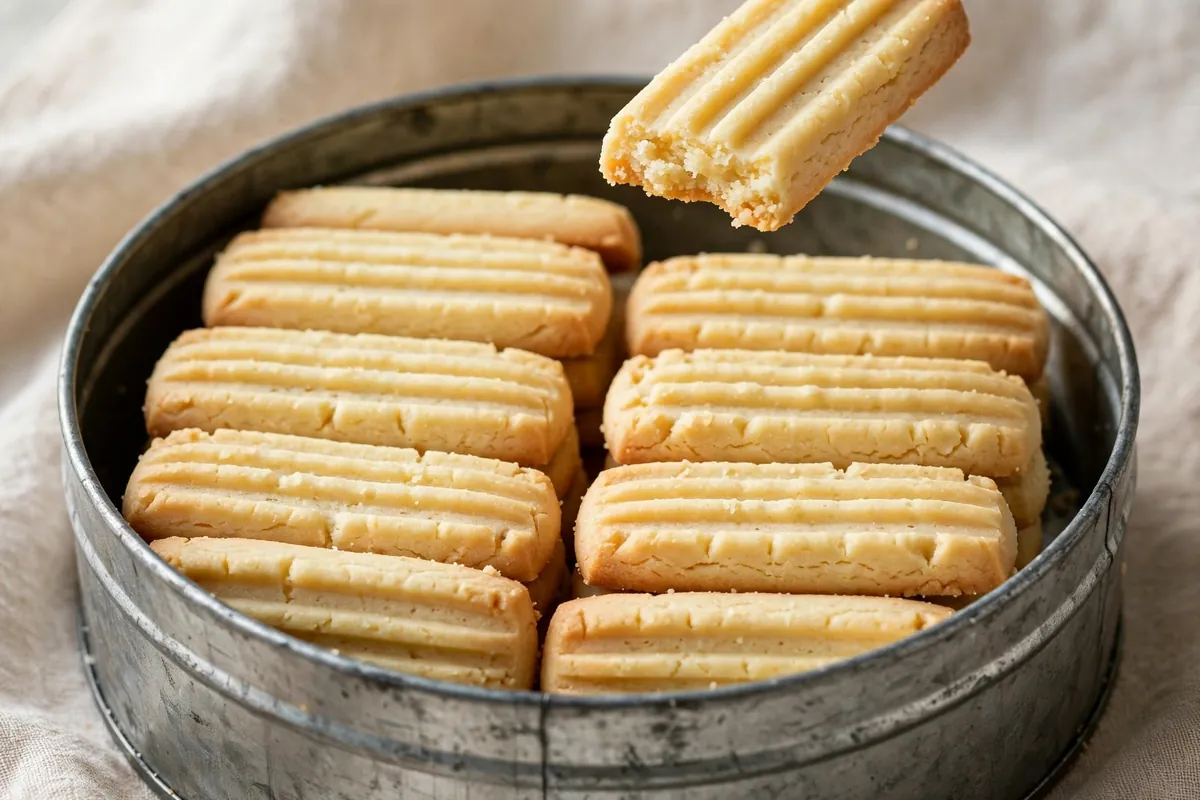
Gingerbread, shortbread, biscotti, snickerdoodles (the crisp kind) — these are the marathon runners of Christmas cookies. Low moisture is their preservative.
Method: Cool completely (any residual warmth = condensation = sogginess), then pack in airtight tins or containers at room temperature. They’ll stay crisp and good for 2–3 weeks, sometimes longer. Metal tins beat plastic — they seal better and block light.
How to tell they’re fading: They lose their snap and taste stale-soft. If caught early, 5 minutes in a 300°F (150°C) oven re-crisps most of them.
Soft and chewy cookies: the bread-slice trick
Frosted sugar cookies, molasses crinkles, soft gingerbread — these need their moisture kept in, the opposite problem.
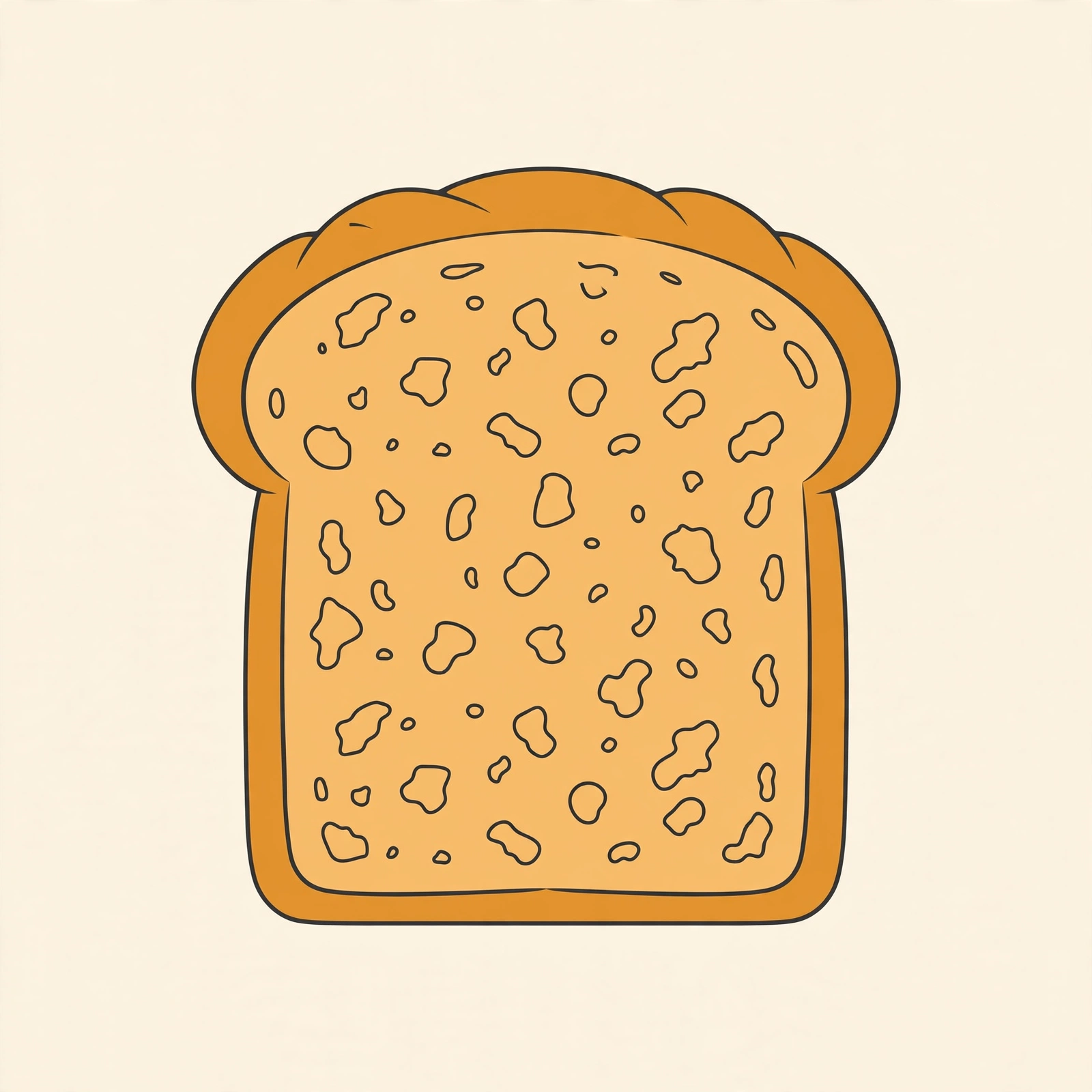
Method: Airtight container at room temperature, plus half a slice of plain sandwich bread tucked in. The bread — staler than the cookies — gives up its moisture to the surrounding air, and the cookies absorb it instead of drying out. Replace the bread slice every 2–3 days (it’ll go hard as it donates its moisture — that’s it working). Expect 1–2 weeks of freshness.
Frosting note: Let royal icing dry a full 24 hours before stacking or storing — touching frosting smears, and trapped moisture under the icing softens it. Buttercream-frosted cookies store fine airtight for about a week.
Freezing baked cookies: the 3-month plan
Almost all Christmas cookies freeze beautifully for 2–3 months — this is how serious holiday bakers do it.
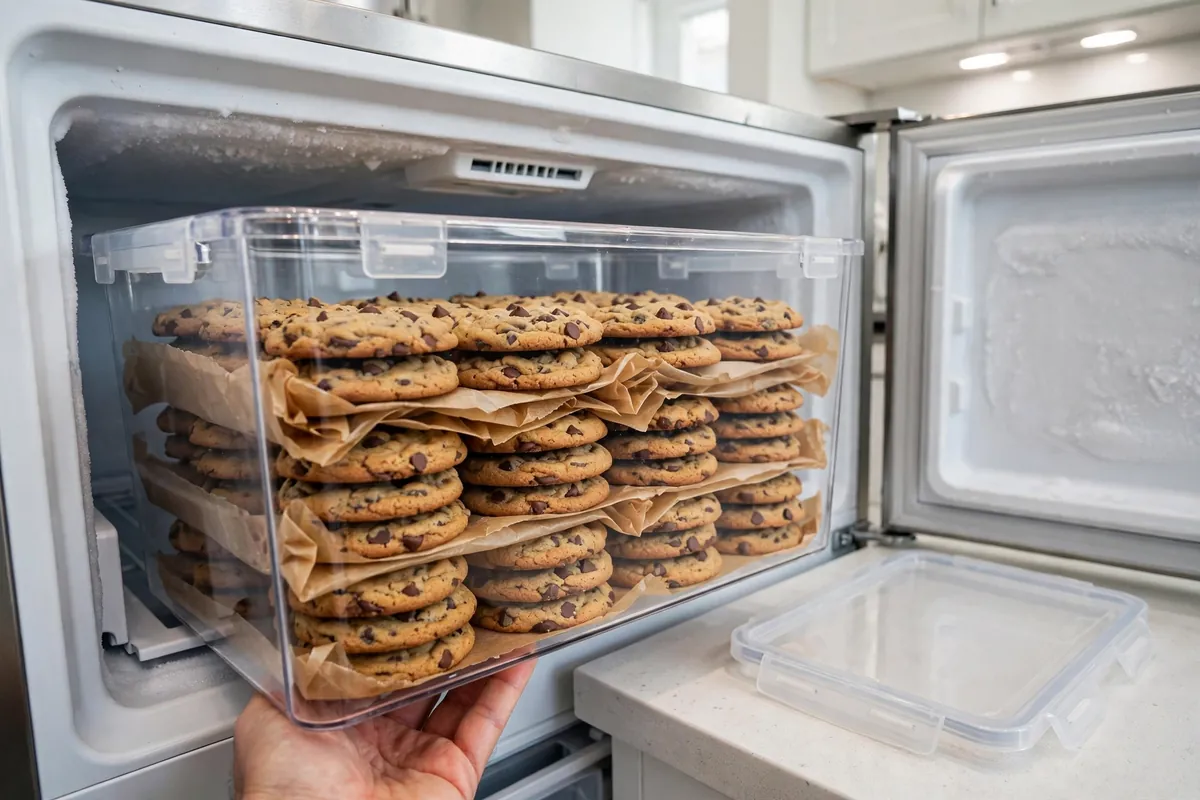
Method: Cool completely. Layer in rigid airtight containers with parchment between layers (bags crush decorations). Freeze. Thaw unwrapped at room temperature — unwrapping before thawing prevents condensation from settling on the surface.
The royal icing rule: Freeze undecorated when you can; decorate after thawing. Fully-dried royal icing does survive freezing, but any soft spots will weep. When in doubt, decorate fresh.
Freezing dough: often the better move
For many cookies, freezing the dough beats freezing the baked cookie — you get fresh-baked taste on demand all December.
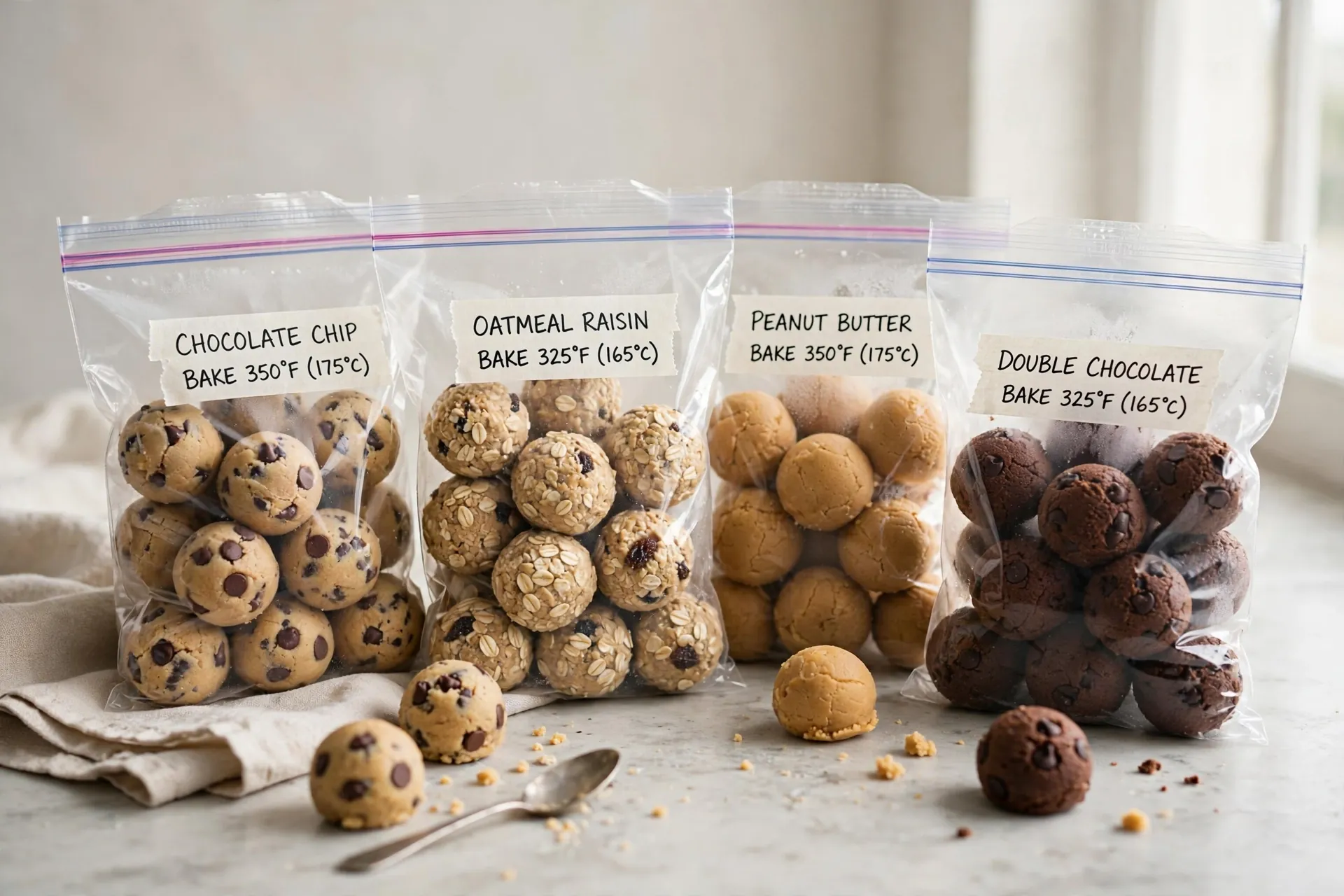
Drop cookies: Scoop dough balls, freeze solid on a tray, then bag. Bake straight from frozen, adding 1–2 minutes (see How to Freeze Cookie Dough).
Slice-and-bake (shortbread, icebox cookies): Form logs, wrap tightly, freeze. Slice frozen and bake — the cold dough holds its shape perfectly.
Cut-outs: Freeze the cut shapes on trays, then bag. Bake from frozen; they spread less, so edges stay sharp.
Dough keeps 3 months frozen. Label everything with the bake temp and time — future-you in mid-December will not remember.
Gifting and shipping: packing cookies to travel
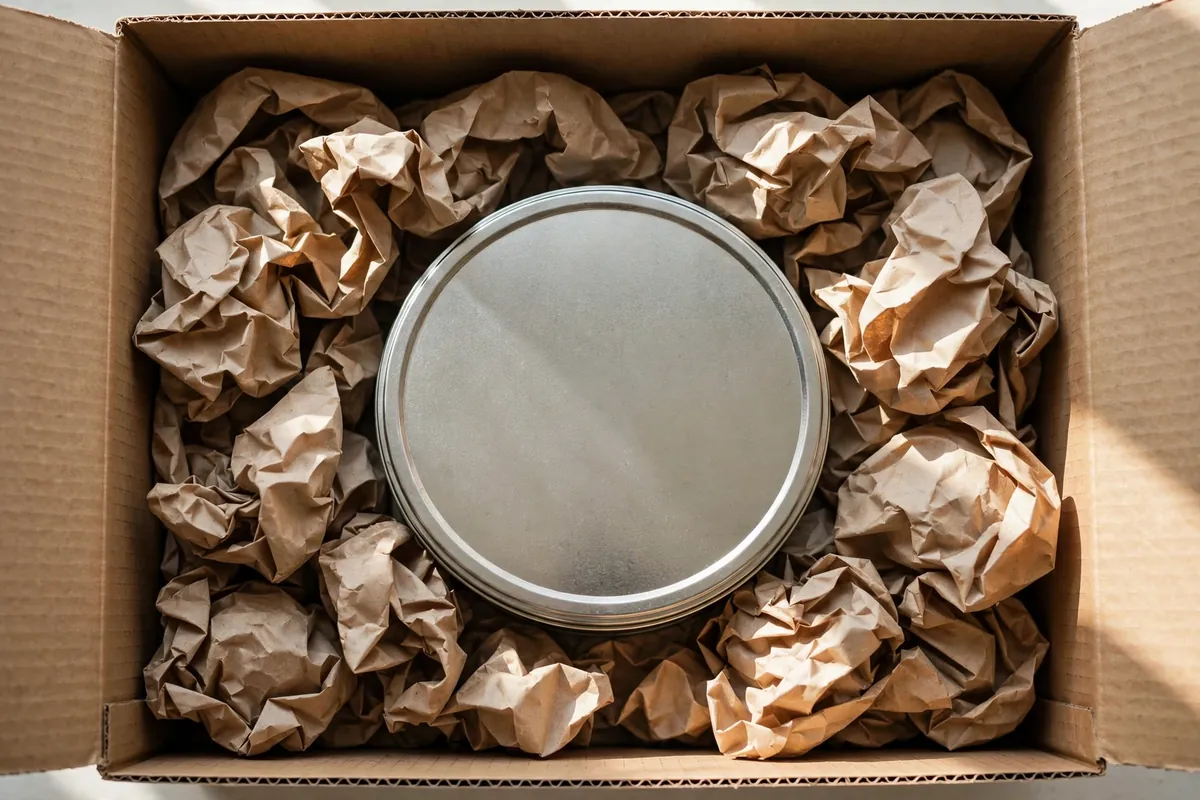
If these cookies are leaving your kitchen, packing matters as much as baking. For hand-delivered tins, the parchment-layer system above is enough. For shipping: choose sturdy cookies (shortbread, biscotti, and gingerbread survive mail; delicate cut-outs and meringues don’t), pack tins inside a slightly larger box with crumpled paper buffering all six sides, and ship early in the week so they don’t sit in a warehouse over the weekend. Include a card with the bake date — recipients appreciate knowing the timeline, and it quietly signals that you planned this.
What doesn’t keep well
- Lace cookies and tuiles: beautiful, fragile, and humidity-sensitive. Days, not weeks — make them close to serving.
- Anything with fresh fruit or cream fillings: days in the fridge, not weeks on the counter.
- Meringue kisses: technically weeks in an airtight container in dry conditions, but one humid day ruins them. Winter-dry climates only.
Frequently asked questions
Can I freeze decorated sugar cookies?
Yes, with a caveat: the royal icing must be bone-dry first (24 hours minimum), and you should freeze them in a single rigid layer. They’ll survive 2–3 months. But decorating after thawing gives a better result — freeze the baked blanks, decorate fresh.
How long do gingerbread cookies really last?
Crisp gingerbread: 3+ weeks airtight at room temperature. Soft frosted gingerbread people: 1–2 weeks with the bread-slice trick. The decoration doesn’t change the timeline — the texture does.
Why did my crisp cookies go soft in storage?
Three usual suspects: stored with soft cookies (moisture migration), packed before fully cool (trapped steam), or a humid kitchen with a loose lid. Re-crisp in a 300°F (150°C) oven for 5 minutes — it works surprisingly often.
Is it safe to eat month-old cookies?
If they were stored properly (airtight, cool, dry), yes — this is a quality question, not a safety one. Low-moisture baked goods don’t harbor bacteria; they just go stale. Trust your nose and texture: stale is disappointing, not dangerous. Anything with cream, custard, or fresh fruit follows fridge rules instead.
Can I refresh stale cookies?
Crisp types: 5 minutes at 300°F (150°C) restores snap. Soft types: 10 seconds in the microwave (seriously — it re-softens them). Neither trick works twice; it’s a one-time rescue.
Related troubleshooting: How to Freeze Cookie Dough (and Bake It Straight From Frozen) · Why Do My Cookies Spread Flat? Butter, Sugar, and Chill Time