

Watery tiramisu is almost never about the coffee. It’s the mascarpone filling — a delicate emulsion that turns to soup the moment it’s overworked, under-chilled, or layered over drowning-wet ladyfingers. The causes are few, and once you know them, tiramisu becomes one of the most reliable desserts you make.
Quick diagnosis: You overmixed the mascarpone (most common — it breaks and weeps), soaked the ladyfingers too long, or served it before the filling had time to set. Fix: stir mascarpone gently by hand, dip ladyfingers 1–2 seconds per side, and chill the finished tiramisu a full 8–12 hours before serving.
My tested baseline: 4 large egg yolks beaten with 100g sugar over a bain-marie to 160°F (71°C) until thick and pale. 500g mascarpone (cold, full-fat), loosened with a spoon — never beaten. 300ml heavy cream whipped to soft peaks. Ladyfingers (savoiardi) dipped 1–2 seconds per side in 250ml strong espresso cooled to room temperature, mixed with 2 tbsp coffee liqueur. Assembled in a 20cm dish, chilled overnight.
1. You overmixed the mascarpone — it’s broken, not beaten
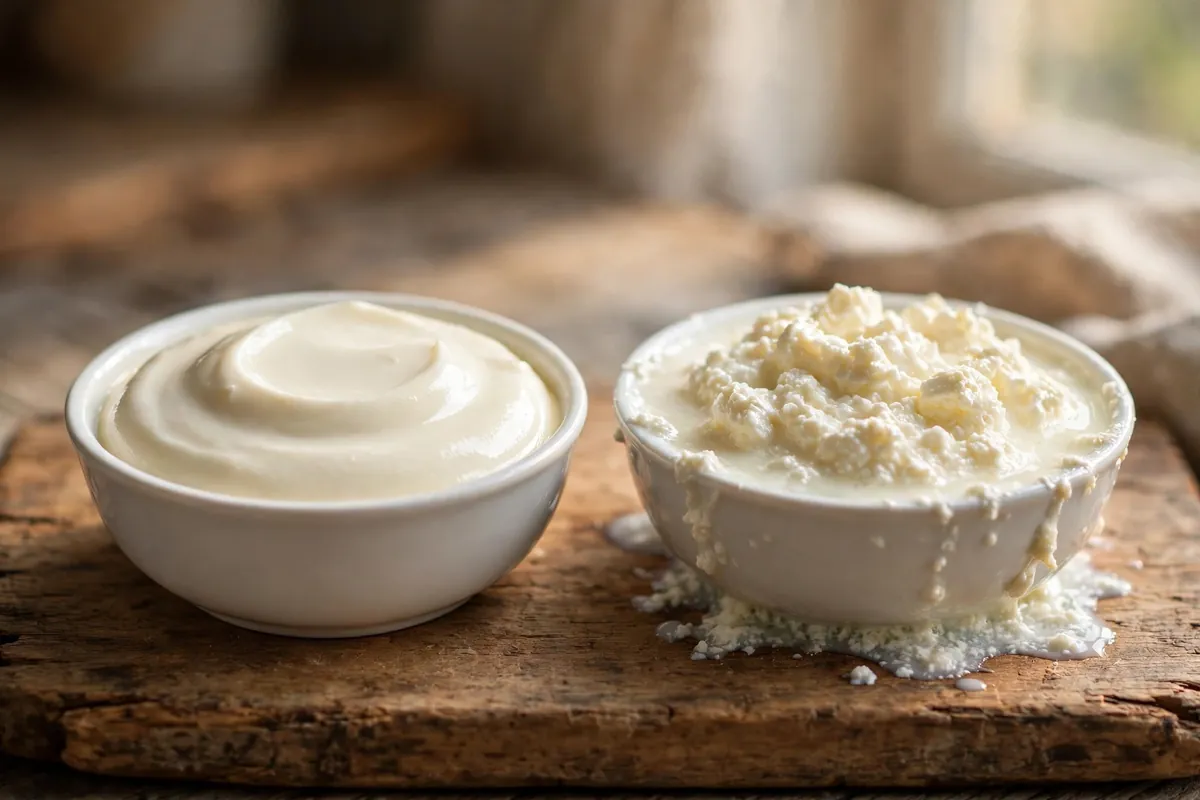
This is the number-one cause of watery tiramisu, and it happens in seconds. Mascarpone is roughly 40%+ butterfat with almost no stabilizers. Beat it with an electric mixer — especially once it’s warmed up — and the fat emulsion shears: grainy, then liquid, and no amount of chilling brings it back. Two minutes with a hand mixer once turned 500g of mine from silk to cottage-cheese soup.
How to tell: The filling looks curdled or grainy before you even assemble; liquid pools around the edges of the bowl; the mascarpone seemed thin the moment you mixed it.
The fix: Work the mascarpone by hand with a spatula or whisk, gently, just until smooth — 30 seconds, no more. Add it to the cooled yolk base in two additions, folding rather than beating. Cold mascarpone straight from the fridge is actually safer here; it holds its structure longer than room-temperature cheese.
2. The ladyfingers soaked too long — they became sponges of espresso
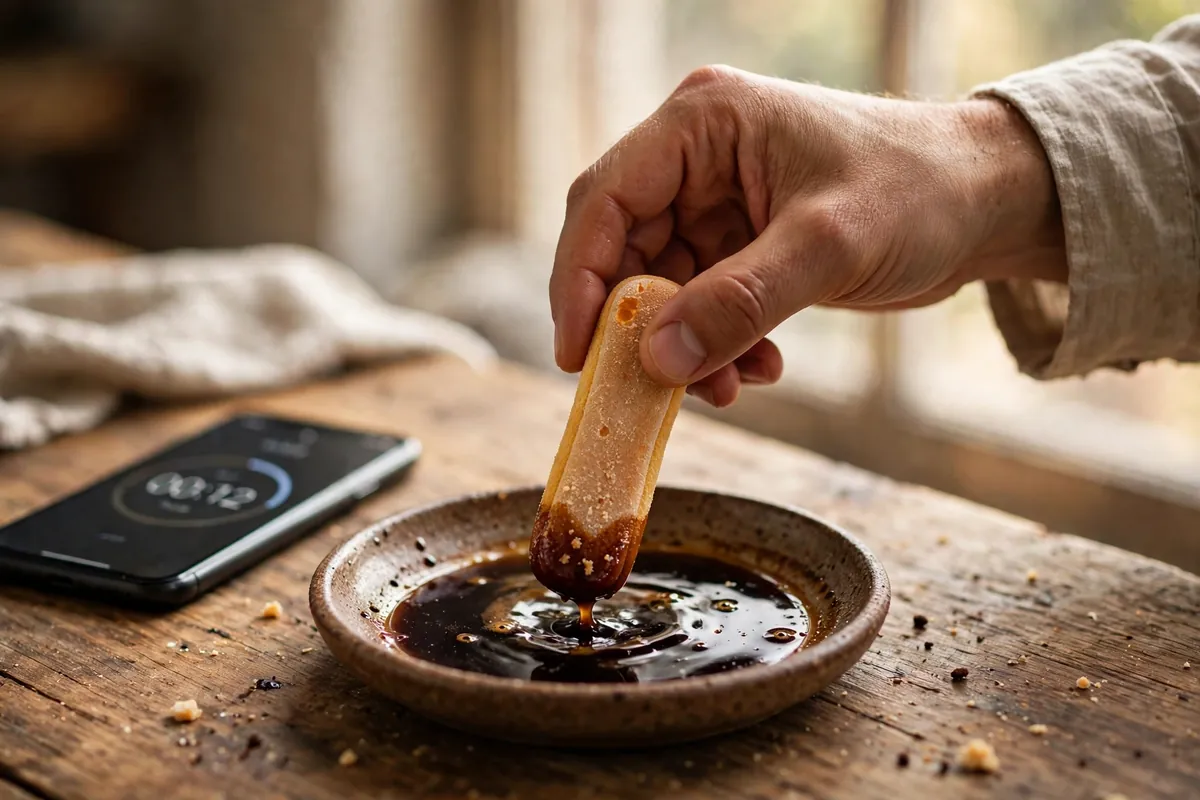
Savoiardi are designed to absorb liquid fast. A full dunk — even three or four seconds — loads each ladyfinger with far more espresso than the filling can absorb, and that excess coffee migrates out during chilling, pooling at the bottom of the dish. I time my dips now: one second per side, in and out, like developing a photograph.
How to tell: Liquid at the bottom of the dish is brown (coffee), not white (filling); the ladyfinger layer is mushy and falling apart while the cream layer looks fine.
The fix: Dip each ladyfinger 1–2 seconds per side in room-temperature espresso — never hot. They should feel firm going into the dish; they finish softening in the fridge. Soft, cake-like savoiardi get a single quick second.
3. You served it too soon — the filling needs 8–12 hours to set
Tiramisu straight from assembly is always soft. The filling firms through chilling: the whipped cream, egg yolk foam, and mascarpone need hours at fridge temperature to knit into a sliceable structure. Four hours gives you a spoonable dessert; eight to twelve gives you clean slices.
How to tell: The tiramisu tastes right but collapses when you try to lift a portion; there’s no graininess, no excess coffee, just softness.
The fix: Chill a minimum of 8 hours, ideally overnight (10–12 hours). Press plastic wrap onto the surface for the first few hours if your fridge runs humid — condensation dripping onto the top is a sneaky extra water source. Keep it refrigerated until the moment you serve.
4. The cream was overwhipped — stiff peaks weep
Whipped cream taken past soft peaks starts to separate: the fat clumps into butter granules and the liquid (whey) squeezes out. Folded into mascarpone, those granules read as graininess and the released whey reads as wateriness. This is the same failure mode as overwhipped cream, just hidden inside a dessert.
How to tell: The filling has tiny buttery lumps; it looked fine at assembly but wept overnight in the fridge.
The fix: Whip the cream only to soft peaks — the whisk leaves a trail but the peak flops over when you lift it. Stop the mixer early — you can always add five seconds, but you can’t un-whip. Fold into the mascarpone in three additions until just combined, no white streaks.
5. Your mascarpone was low-fat or warm — both are structural risks
“Light” mascarpone and mascarpone-style spreads have less fat and more water by design — they simply can’t hold the structure that full-fat mascarpone (40%+ fat) gives. And mascarpone left on the counter for an hour before you start is already halfway to broken; warm fat emulsions shear under the slightest agitation.
How to tell: The filling was thin from the very first stir, before any cream was added; the cheese container says “light” or lists gums and starches high in the ingredients.
The fix: Buy full-fat mascarpone and use it cold. Real mascarpone lists cream and citric acid, not a paragraph of stabilizers. With a softer brand, whip the cream to medium peaks and chill a full 12 hours.
6. The yolk base was undercooked or warm when combined
The zabaglione-style yolk base does structural work: properly cooked to 160°F (71°C), the yolks thicken into a stable foam that supports the mascarpone. Undercooked yolks stay thin and add free liquid. Worse, a warm yolk base melts the cold mascarpone on contact — the emulsion breaks before assembly even starts.
How to tell: The yolk-sugar mixture was pourable rather than ribbon-thick; or it felt warm to the touch when you added the mascarpone.
The fix: Whisk yolks and sugar over simmering water until the mixture reaches 160°F (71°C) and falls from the whisk in thick ribbons — about 5–7 minutes. Cool to room temperature — about 20 minutes, stirring occasionally — before the mascarpone goes near it. It should feel neutral to the touch.
Can you fix watery tiramisu after it’s assembled?
Barely. Drain off pooled liquid, chill uncovered for the full 12 hours, and serve in glasses as a trifle-style dessert — it tastes fine even when it won’t slice. The real fix is the next batch: gentle mascarpone, quick dips, overnight chill. Prevention is the entire game here.
FAQ
Is watery tiramisu safe to eat?
Yes, if refrigerated throughout. The liquid is coffee or whey, not spoilage. But it contains eggs and dairy, so never leave it out more than 2 hours and eat within 3 days.
Can I use gelatin to make tiramisu firmer?
Yes — 1 teaspoon powdered gelatin bloomed in 2 tablespoons cold water, melted into the warm yolk base, gives insurance-level firmness. Useful for tall molded tiramisu or hot climates.
Why is my tiramisu grainy?
The mascarpone broke — overmixed, too warm, or hit with a warm yolk base. Next time stir cold mascarpone by hand for 30 seconds max, with everything else at room temperature or colder.
Can I make tiramisu without raw eggs?
Yes — yolks cooked to 160°F (71°C) are food-safe with classic texture. Or skip yolks: mascarpone, whipped cream, and a little sweetened condensed milk, though less rich.
How long does tiramisu need to chill before serving?
Minimum 8 hours; 10–12 overnight is ideal for clean slices. Keeps 3 days refrigerated — the flavor deepens on day two.
Can I freeze tiramisu?
Yes, up to a month airtight. Thaw overnight in the fridge. Freeze before dusting with cocoa; add it after thawing.
Related troubleshooting: Why Did My Cheesecake Crack? · Fixing Overwhipped Cream · Why Is My Meringue Weeping?