The toothpick came out clean — five minutes too late. The edges are dark, the crumb is cottony, and the cake you needed for tonight tastes like a sweet sponge. I’ve rescued more overbaked cakes than I care to admit: you can’t un-bake a cake, but you can absolutely make it delicious again. Here are the five rescues that work, in order of effort.
Quick diagnosis: A dry, overbaked cake needs moisture added back or a complete transformation. For a cake that’s just a little dry, the simple-syrup soak (method #1) fixes it in ten minutes. For a genuinely parched cake, stop trying to serve it as cake — turn it into trifle, cake pops, or bread pudding (methods #3–5) and nobody will ever know.
Method 1: The simple-syrup soak (10 minutes, best for mildly dry cake)
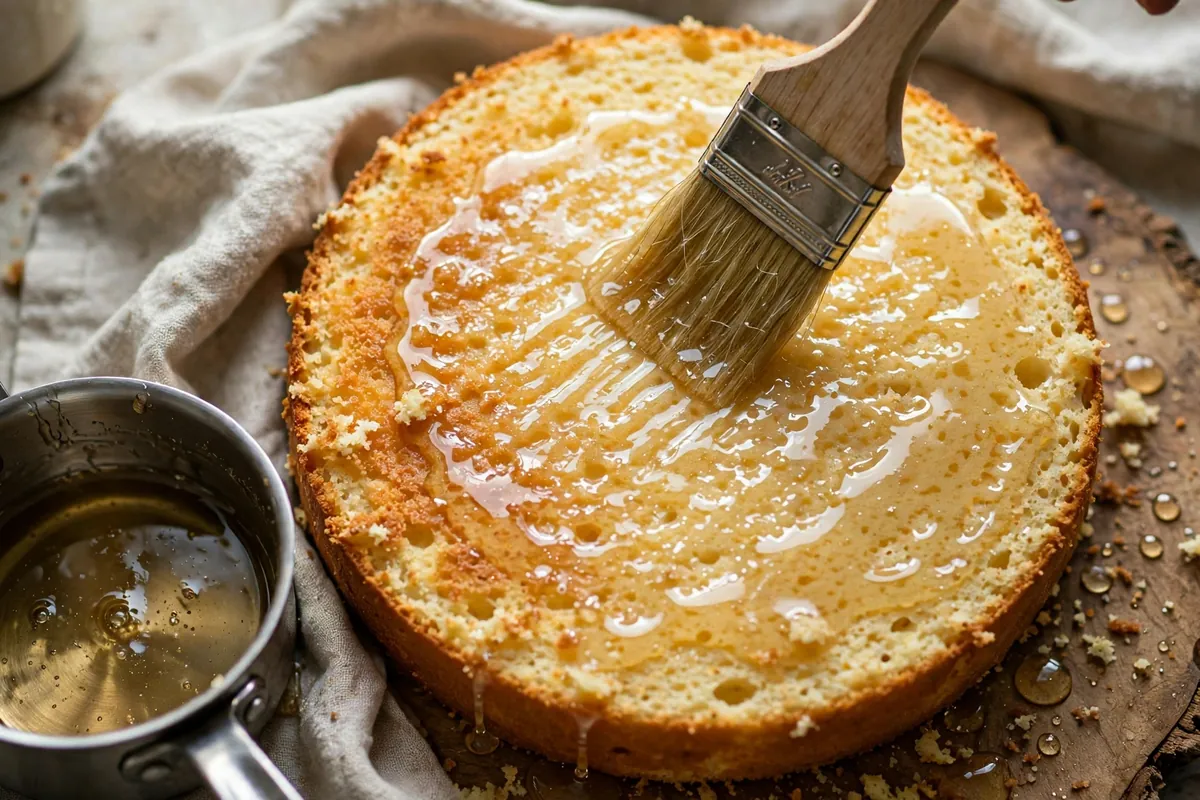
This is the professional bakery’s everyday fix — most commercial cake layers get syruped as a matter of routine, not emergency. The syrup adds back exactly what overbaking drove out: water and sugar, in the ratio cake crumb absorbs best.
How: Combine equal parts sugar and water (½ cup each covers two layers). Simmer, stirring, until dissolved, then cool fully — warm syrup melts frosting. Poke the layers all over with a skewer, going halfway through. Brush on 2–3 tablespoons per 8-inch layer, letting it absorb. The crumb should look moist, not soggy.
Flavor it: Swap the water for brewed coffee (chocolate cake) or orange juice (vanilla cake), or add a teaspoon of vanilla, rum, or almond extract to the cooled syrup. A flavored soak adds a layer the original recipe never had — which is how a rescue becomes an upgrade.
When it works: Cake that’s dry but structurally sound — intact crumb, no burnt edges. If the edges are actually burnt (bitter, black), trim them off first with a serrated knife; syrup can’t fix carbon.
Method 2: Frost heavy and seal it in (15 minutes)
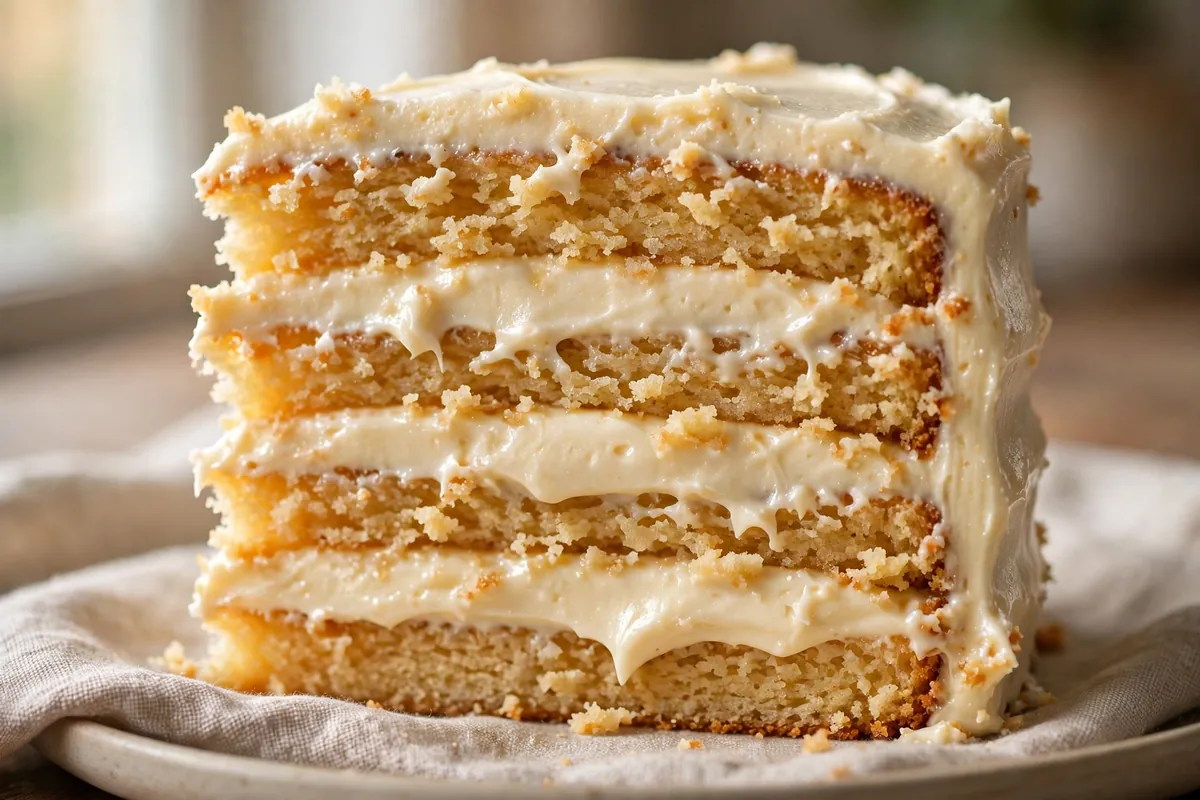
Frosting is a moisture barrier. A dry cake served naked stays dry; the same cake under a generous coat of frosting reads as “sturdy” rather than parched, because every bite includes the frosting’s fat and sugar. This is why bakery sheet cakes — often baked a day ahead — taste fine: they’re sealed.
How: Level the layers, then apply frosting generously — don’t skimp. A crumb coat first (thin layer, chill 20 minutes), then the full coat. The crumb coat traps loose crumbs and starts sealing moisture immediately. Fill between layers thickly too; the filling is doing rescue work, not just flavor work.
Best for: Layer cakes that are dry but not crumbly — the structure holds, the eating experience needs help. Pair with method #1 (syrup first, then frost) for the full treatment.
Method 3: Turn it into trifle (20 minutes, the crowd-pleaser)
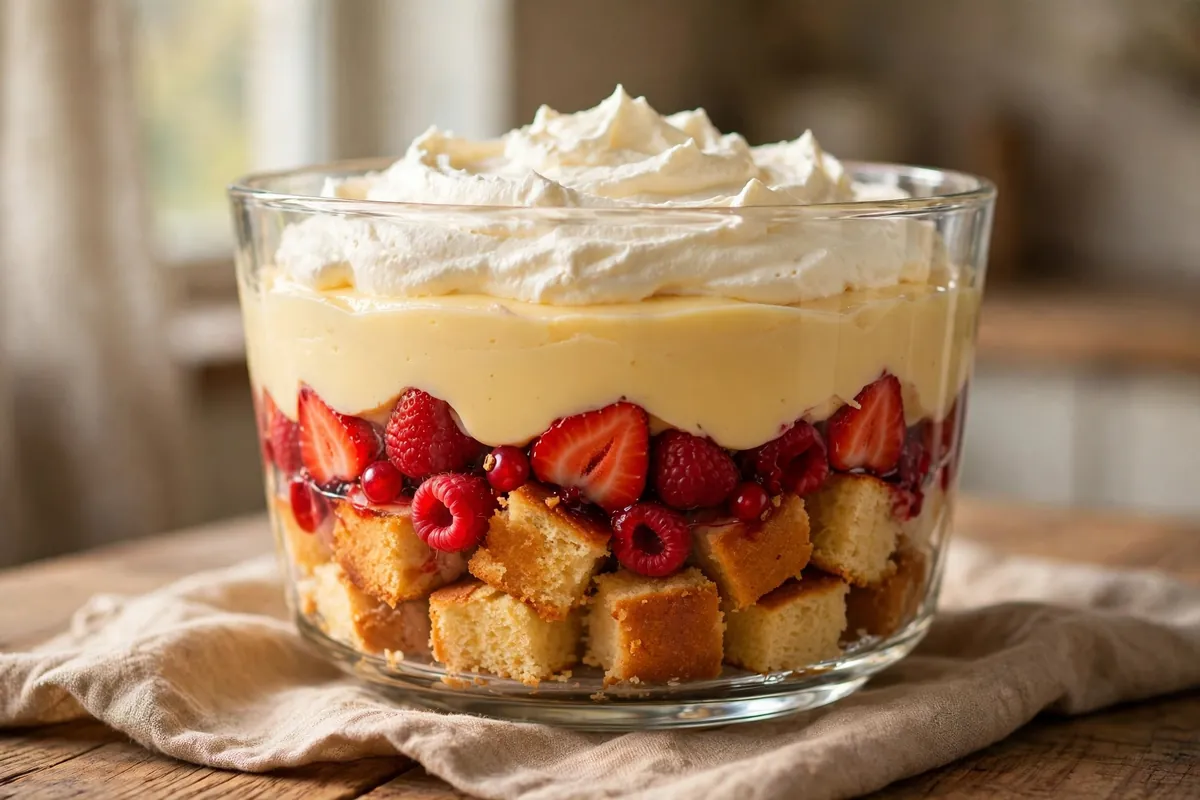
This is the rescue with the highest success rate, because trifle doesn’t ask the cake to be good cake — it asks it to be a sponge for custard, fruit, and cream, which is exactly what dry cake does brilliantly. Dry crumb absorbs custard better than moist crumb does. Your failure is now a feature.
How: Cube the cake into 1-inch pieces. Layer in a glass bowl: cake cubes, macerated fruit or jam, custard or vanilla pudding, whipped cream. Repeat. Chill at least 2 hours (overnight is better) so the layers meld. The cake cubes drink up the custard and turn meltingly tender.
Best for: Genuinely parched or crumbly cake, cake with trimmed burnt edges — anything too far gone for the syrup soak. Chocolate cake + raspberries + custard is the classic; vanilla cake + lemon curd + berries is the elegant one.
Method 4: Cake pops and rum balls (30 minutes, the fun one)
Dry cake is the ideal base for cake pops — the standard recipe literally starts with crumbled cake plus frosting. You’re not hiding the dryness; you’re exploiting it, because dry crumbs absorb the binder perfectly and hold their shape.
How: Crumble the cake finely. Mix in frosting 1 tablespoon at a time until the mixture holds when squeezed — usually 3–4 tablespoons per 2 cups of crumbs. Roll into 1-inch balls, chill 30 minutes, then dip in melted chocolate. For rum balls: swap the frosting for a splash of dark rum plus a spoonful of jam, roll in cocoa or chopped nuts.
Best for: Cake that’s too dry or crumbly to slice presentably. Kids’ parties, bake sales, gifts — nobody has ever guessed a cake pop’s origin story.
Method 5: Bread pudding / tres leches transformation (40 minutes, the total rebuild)
The nuclear option, and honestly the most delicious one. Bread pudding was invented for stale, dry baked goods — custard soaks in, the oven sets it, and what emerges is a different dessert entirely, one where dryness was a prerequisite.
How: Cube the cake, place in a buttered baking dish. Whisk together 2 cups milk or half-and-half, 3 eggs, ½ cup sugar, 1 teaspoon vanilla, and a pinch of salt. Pour over the cubes, press to submerge, rest 20 minutes. Bake at 350°F (175°C) for 35–45 minutes until set and golden. For tres leches: skip the eggs, soak in evaporated milk, sweetened condensed milk, and heavy cream, and serve chilled with whipped cream.
Best for: The worst cases — the cake that’s beyond syrup, beyond frosting. Also the best-tasting rescue on this list; I’ve had guests request “that bread pudding” without knowing it began as a failed layer cake.
What NOT to do
- Don’t put it back in the oven. More heat is how you got here. Every rescue on this list adds moisture or transforms the cake — none of them involve rebaking the cake itself.
- Don’t microwave it. Thirty seconds of microwave makes dry cake briefly soft, then tougher than before as it cools. It’s a party trick, not a fix.
- Don’t serve it plain and hope. Guests notice. The ten minutes a syrup soak takes is always worth it.
Frequently Asked Questions
Can you really fix an overbaked cake?
You can’t reverse the baking, but you can fix the eating experience completely. A syrup soak restores moisture to mildly dry cake; for badly overbaked cake, trifle, cake pops, or bread pudding transform it into a dessert nobody will recognize as a rescue.
How do you moisten a dry cake after baking?
Poke holes with a skewer and brush on simple syrup — equal parts sugar and water, simmered and cooled — 2–3 tablespoons per 8-inch layer. Flavor the syrup with coffee, citrus juice, or extract to match the cake.
Is it safe to eat overbaked cake?
Completely — overbaking is a texture problem, not a safety one. The only exception is genuinely burnt (black, bitter) portions; trim those off, as burnt flavors permeate and taste acrid.
Can I rebake a dry cake with more moisture?
No — returning a baked cake to the oven only drives out more moisture. All real rescues work by adding moisture (syrup, custard, frosting) or repurposing the crumb, never by reheating the cake itself.
What’s the best rescue for a dry layer cake needed tonight?
The syrup soak plus generous frosting — 25 minutes total, and the cake serves as intended. If it’s too far gone, trifle: 20 minutes of assembly, 2 hours chilling, and it’s the best dessert on the table.
How do I stop overbaking cakes in the first place?
Start checking 5–8 minutes before the recipe’s earliest time, pull when a toothpick shows moist crumbs (not clean), and verify your oven with a thermometer — most ovens run 15–25°F off. Full prevention guide: Why Is My Cake Dry?
Related troubleshooting: Why Is My Cake Dry? · Why Did My Cake Sink in the Middle? · Why Is My Pie Filling Runny?