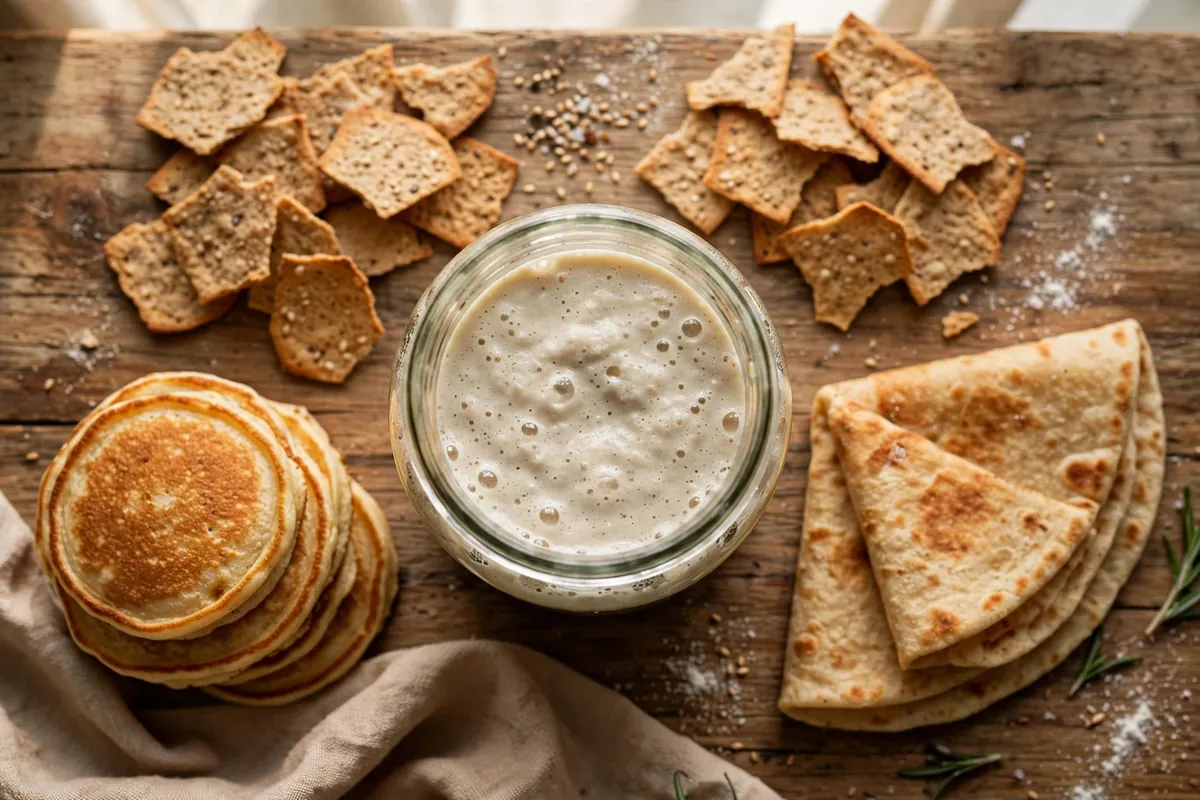
Every sourdough feeding leaves you holding half a jar of discard — perfectly good flour, water, and wild yeast, destined for the bin. Throwing it away feels wrong because it is wrong: discard is an ingredient, one with a tangy flavor and tenderizing power that bought-and-paid-for ingredients can’t match. I’ve cooked with discard for years, and these seven uses are the ones that earned permanent places in my rotation — ranked by how much they reward the (minimal) effort.
Quick diagnosis: The best discard uses don’t ask it to leaven anything — discard isn’t vigorous enough to raise bread on its own. The winners are crackers, pancakes, flatbread, and quick breads, where discard contributes flavor and tenderness while baking powder, soda, or a hot skillet does the lifting.
First, the ground rules. Discard is safe — it’s the same flour, water, and microbes as your starter, just hungry. It keeps sealed in the fridge up to 2 weeks; sniff before using (pleasantly sour is fine; pink, orange, or fuzzy means the jar goes). And discard’s yeast is sluggish, so every recipe below pairs it with another leavener or none at all. Don’t bake a loaf with discard alone — that’s what a healthy, fed starter is for.
1. Crackers — the single best use
If you make nothing else from this list, make crackers. Discard crackers are the highest reward-to-effort ratio in all of sourdough baking: the discard’s acidity creates unmatched crispness, and the whole project takes 30 minutes.
How: Mix 1 cup (240g) discard with ¼ cup olive oil or melted butter, ½ teaspoon salt, and enough flour (about ¾ cup / 90g) to form a firm dough. Roll paper-thin — 1/16 inch — directly on a parchment-lined baking sheet (thin is the entire secret; thick discard crackers are chewy, not crisp). Dock with a fork, sprinkle with flaky salt and whatever you like (sesame, rosemary, everything seasoning), and bake at 350°F (175°C) for 20–25 minutes until deep golden. Cool on the sheet; they crisp further as they cool.
Why it works: Low moisture + high heat + acidity = shattering crispness. The discard’s tang reads as sophisticated, not sour.
2. Pancakes and waffles — the weekend upgrade
Discard in pancake batter is transformative: the acidity tenderizes the crumb and adds a buttermilk-like tang that plain batter can’t touch. These are objectively better than regular pancakes, not just “good for discard.”
How: Replace half the flour in your usual pancake recipe with discard (by weight — 120g discard stands in for roughly a cup of flour’s flour-plus-water, so reduce the milk slightly). Keep the recipe’s baking powder; the discard is flavoring here, not leavening. For waffles, same swap — the tang plus the iron’s crisping is exceptional.
3. Flatbread and pizza crust — the no-wait bread
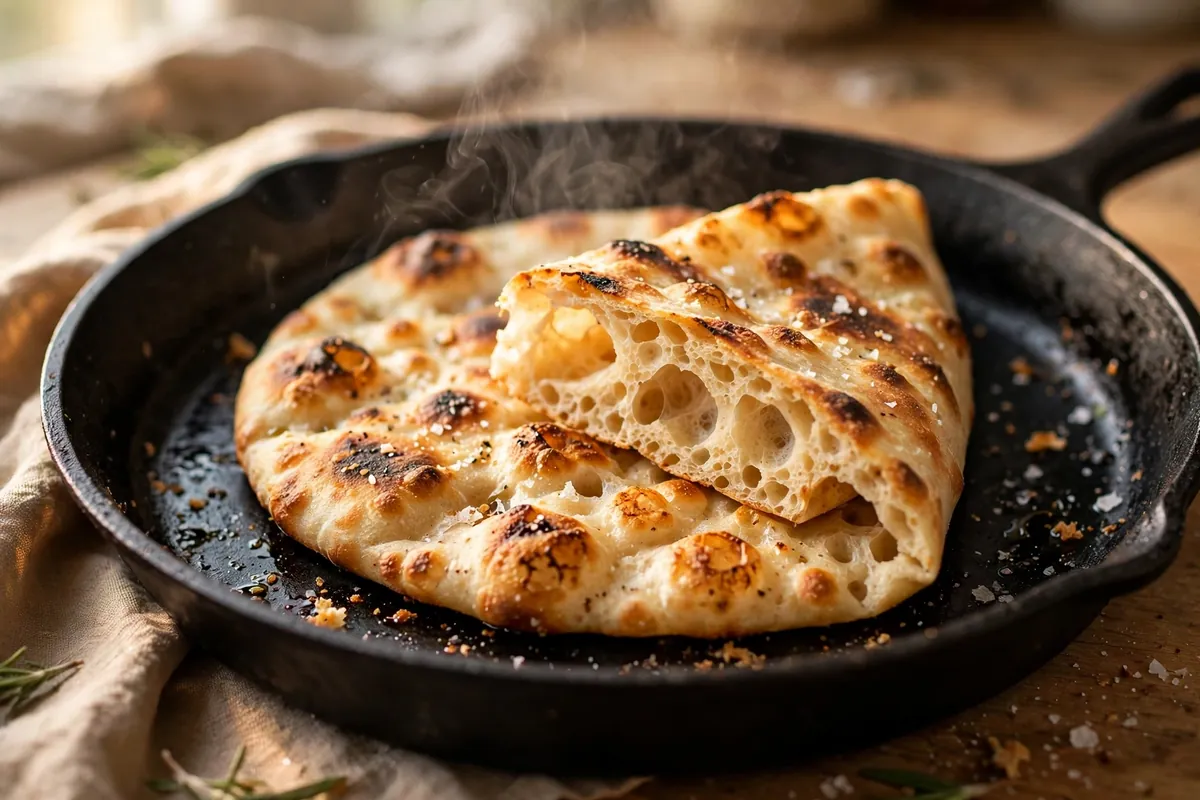
A ripping-hot skillet plus discard equals flatbread in minutes — no kneading, no proofing, no planning. This is my most-made discard recipe by a wide margin.
How: Pour ½ cup discard straight into a lightly oiled, screaming-hot cast iron skillet, spread thin with the back of a spoon, and cook 2–3 minutes per side until blistered and golden. That’s it — the whole recipe. For pizza: spread 1–1½ cups discard in an oiled cast iron skillet, par-bake at 450°F (230°C) for 10 minutes, then top and bake 10 more. The crust won’t be Neapolitan — it’ll be tangy, chewy-crisp, and ready in 25 minutes, which is the point.
4. Banana bread and quick breads — the moisture play
Discard’s acidity and hydration make quick breads more tender and longer-keeping. It slides into any quick-bread recipe invisibly.
How: Replace ½ cup of the flour with ½ cup (120g) discard and reduce another liquid by 2 tablespoons. Keep the recipe’s baking soda — in fact, the discard’s acidity supercharges it, giving a better rise than the original. Banana bread is the classic pairing (the tang balances the sweetness); zucchini bread and pumpkin bread work equally well. For the full quick-bread science, the eggless cake post covers how acidity interacts with leaveners.
5. Soft pretzels — the chewy showpiece
Discard pretzels have a depth of flavor that straight-dough pretzels lack — the long, slow acids in the discard read as complexity. They’re a project, but a rewarding one.
How: Combine 1 cup (240g) discard with 2½ cups (300g) bread flour, 1 tablespoon sugar, 2¼ teaspoons instant yeast (the discard flavors; the commercial yeast leavens — this is the honest pairing), and 1 teaspoon salt. Knead 8 minutes, rest 1 hour, shape, and give the classic baking-soda bath (⅔ cup soda per 10 cups water, 30 seconds per pretzel) before baking at 425°F (220°C) for 12–14 minutes. Salt generously while wet.
6. Biscuits and scones — the flaky tang
Discard replaces some of the buttermilk in biscuit dough, adding tenderness and a subtle tang that reads as “bakery” rather than “sourdough.”
How: Replace half the buttermilk/milk with discard (equal weight). Keep everything cold — frozen grated butter, cold discard — and handle minimally: pat, fold, cut, no kneading. The acidity tenderizes the crumb exactly the way buttermilk does, which makes sense: it’s doing the same chemical job. Bake hot at 425°F (220°C).
7. Frying batter — the crisp secret
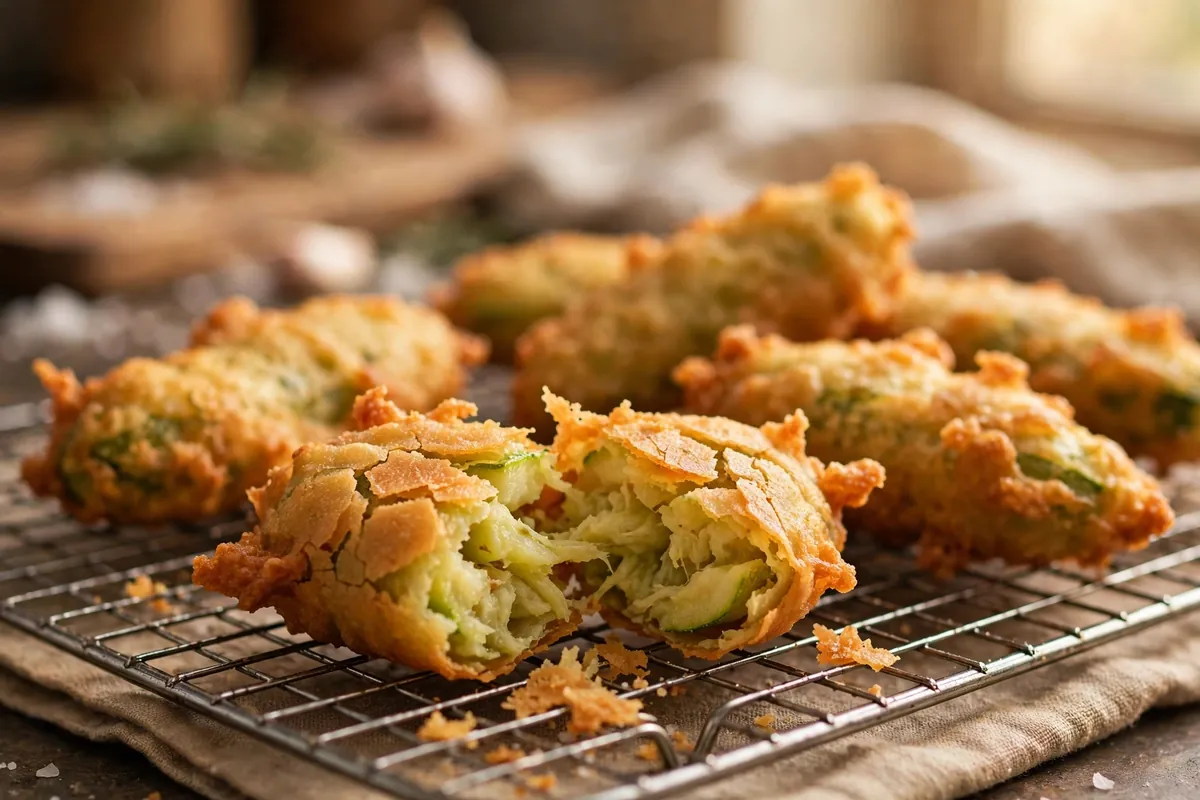
The least obvious and maybe the most fun: discard thinned with a little water or beer makes a superb frying batter. The acidity inhibits gluten just enough for a shatteringly crisp, tempura-like crust.
How: Thin 1 cup discard with ¼–½ cup cold water or lager until it coats a spoon thinly. Season boldly (salt, pepper, paprika, garlic powder). Dip vegetables, onion rings, or fish, and fry at 350–375°F (175–190°C) until deep golden. The batter fries up lighter and crisper than flour-and-water, with a faint tang that cuts richness.
Storing and managing discard
Keep a dedicated discard jar in the fridge and add to it at every feeding. Use within 2 weeks — older discard gets sharply acidic (fine for crackers, too aggressive for pancakes). If a dark liquid (hooch) forms on top, stir it in or pour it off; it’s harmless. Never add discard to the jar if you see pink, orange, or fuzzy spots — that jar is contaminated, full stop.
Frequently Asked Questions
Is sourdough discard safe to eat?
Yes — it’s the same flour, water, and microbes as your starter, just unfed. The microbes are the same ones in the bread you already bake. Discard any jar showing pink, orange, or fuzzy mold, but normal sour-smelling discard is completely safe.
Can I bake bread with discard instead of active starter?
Not a proper loaf — discard’s yeast is too sluggish. Every recipe above pairs discard with another leavener or uses none. For real sourdough loaves, feed your starter first.
How long does discard last in the fridge?
Up to 2 weeks in a sealed jar. It gets more acidic with age — great for crackers, less ideal for delicate pancakes. When in doubt, sniff: pleasantly sour is fine, anything off or colorful is not.
Do I need to feed discard before using it?
No — that’s the point. Discard is used unfed, straight from the fridge (let it warm 15–20 minutes for even mixing). Feeding it would just turn it back into starter.
Why do discard recipes always add baking powder or soda?
Because discard contributes flavor and tenderness, not lift. Its yeast is dormant; the chemical leaveners do the rising. The discard’s acidity actually boosts baking soda, so the combination rises better than either alone.
Can I freeze sourdough discard?
Yes — freeze in portions up to 3 months; thaw overnight in the fridge. The microbes won’t all survive, but since you’re not relying on them for leavening, it doesn’t matter.
Related troubleshooting: Sourdough Starter Smells Like Acetone · Why Is My Sourdough Gummy Inside? · No-Knead Bread for Beginners