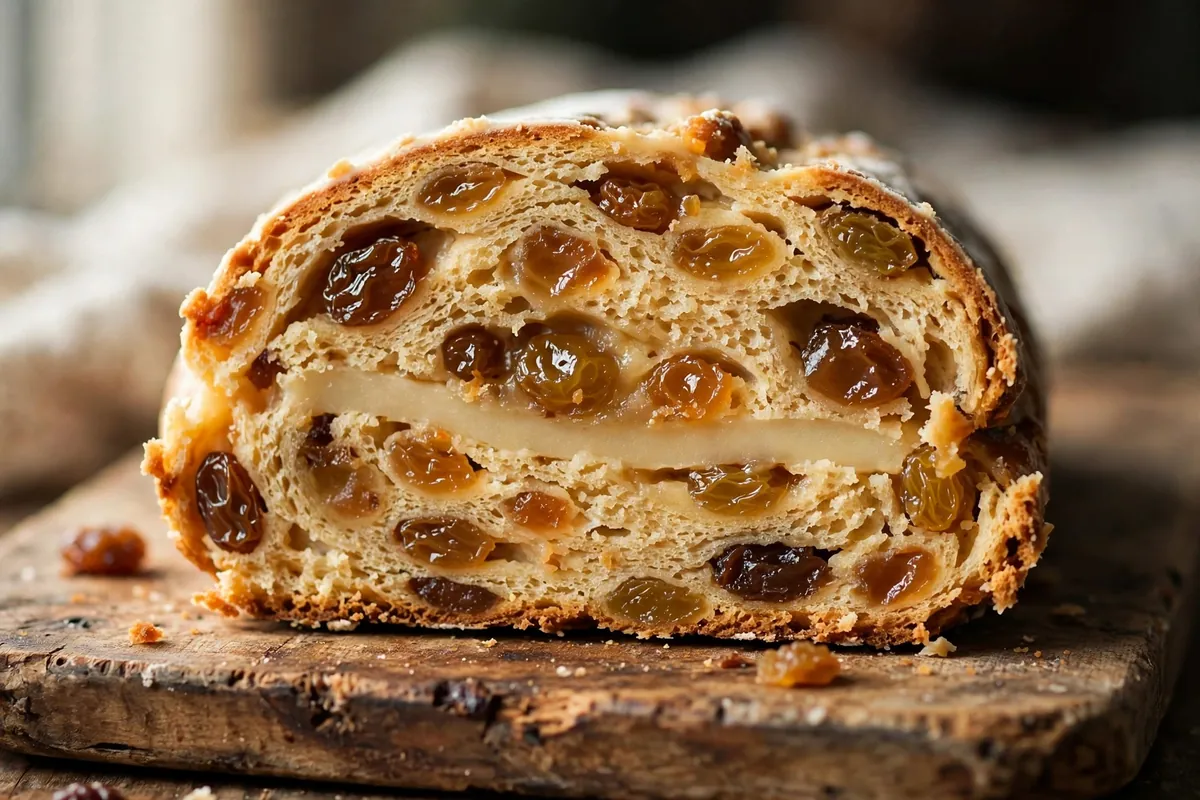
Dry stollen is almost always a moisture-theft problem, not a recipe problem. Unsoaked dried fruit pulls water out of the crumb as it bakes, overbaking drives off what little moisture an enriched dough holds, and skipping the traditional butter-and-sugar seal lets the loaf stale in days instead of improving over weeks. Get those three right and stollen practically takes care of itself.
Quick diagnosis: Your dried fruit wasn’t soaked (it stole moisture from the crumb — most common), you overbaked it, or you skipped the melted-butter brush and tight wrapping that keeps stollen moist for weeks. Fix next time: soak fruit 12–24 hours, bake to 190°F (88°C) internal, brush with butter and wrap airtight while warm.
My tested baseline: 500g bread flour, 75g sugar, 2¼ tsp instant yeast, 1 tsp salt, 200g soft butter, 2 eggs, 150ml warm milk; 300g mixed dried fruit soaked overnight in 100ml dark rum; 200g marzipan log in the center. Baked at 350°F (175°C) for 55 minutes to 190°F (88°C) internal, brushed with 60g melted butter, rolled in sugar, wrapped in plastic then foil, aged 10 days.
1. The fruit wasn’t soaked — it drank your crumb’s moisture
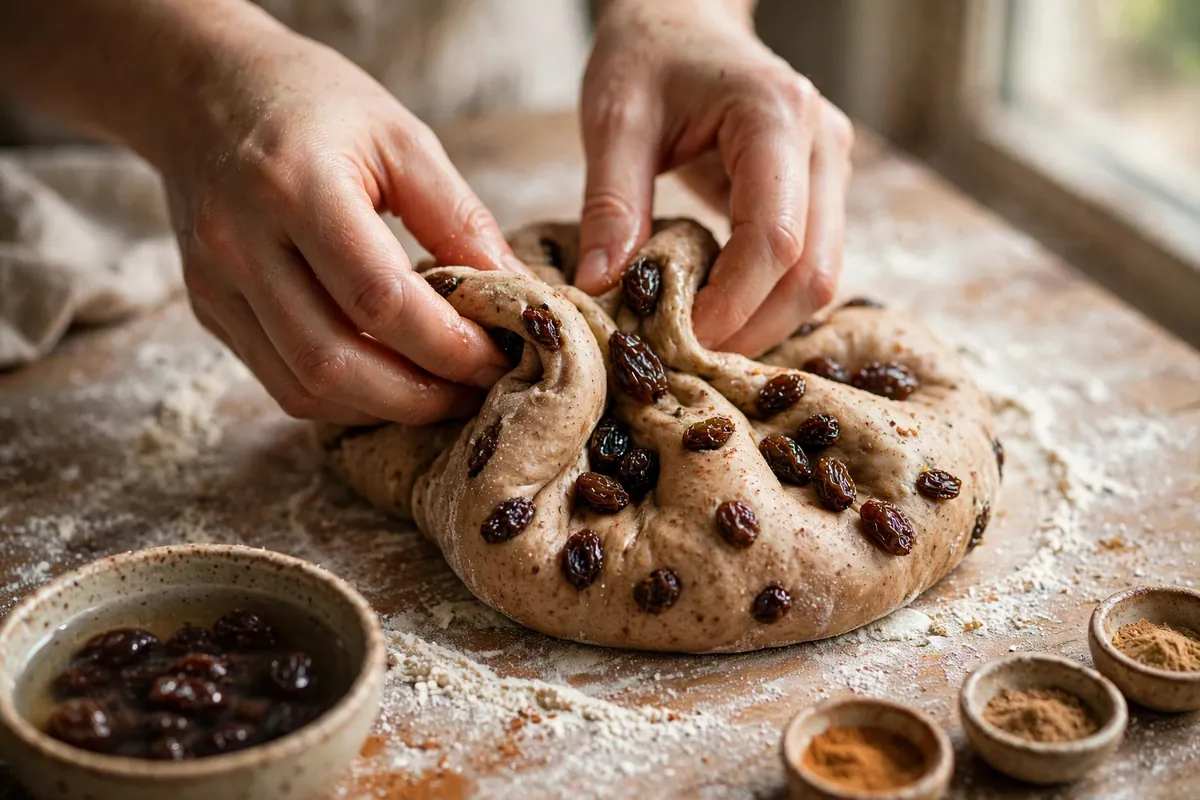
This is the number-one cause of dry stollen. Dried fruit is hygroscopic: unsoaked raisins spend the entire bake pulling water out of the surrounding crumb. You end up with plump fruit embedded in dry bread — exactly backwards.
How to tell: The fruit looks plump and glossy but the crumb around it is dry and crumbly; you added the fruit straight from the bag.
The fix: Soak the fruit 12–24 hours in rum, brandy, or orange juice. Drain well and toss in a spoonful of flour before folding in so pieces don’t sink. Properly soaked fruit gives moisture back to the crumb instead of stealing it.
2. You overbaked it — enriched doughs dry out fast past 190°F
Stollen is a dense, heavy loaf, and dense loaves lie: the outside looks done long before the center finishes, so bakers leave it in “to be safe” — and overshoot. Past 190°F (88°C) internal, the crumb tightens and squeezes out moisture with every extra degree.
How to tell: The crust is thick and deeply browned; the crumb is dry all the way through; the thermometer read over 195°F (91°C), or you baked purely by time.
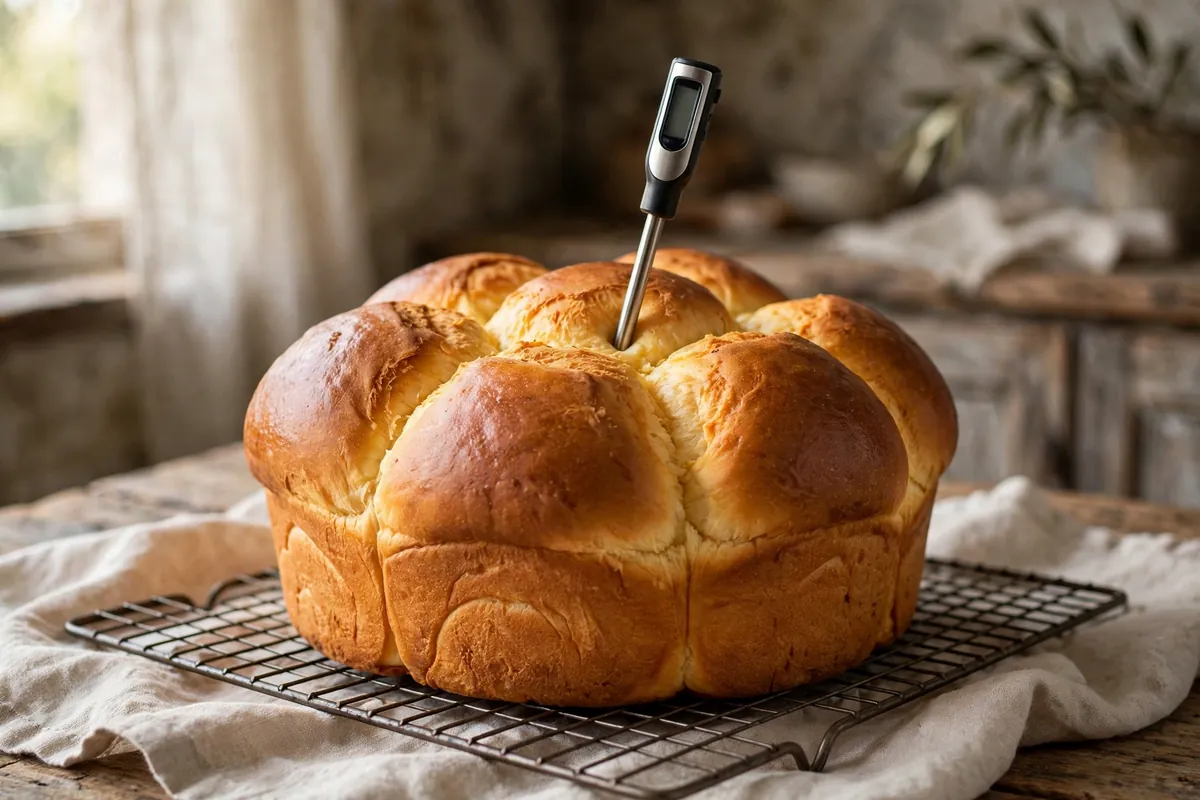
The fix: Bake at 350°F (175°C), checking from 45 minutes. Pull at 190°F (88°C) internal, thermometer in the center avoiding the marzipan. Tent with foil after 30 minutes if the top colors fast. Trust the thermometer over the clock — same rule as telling when bread is done.
3. You skipped the butter seal — stollen’s moisture lock
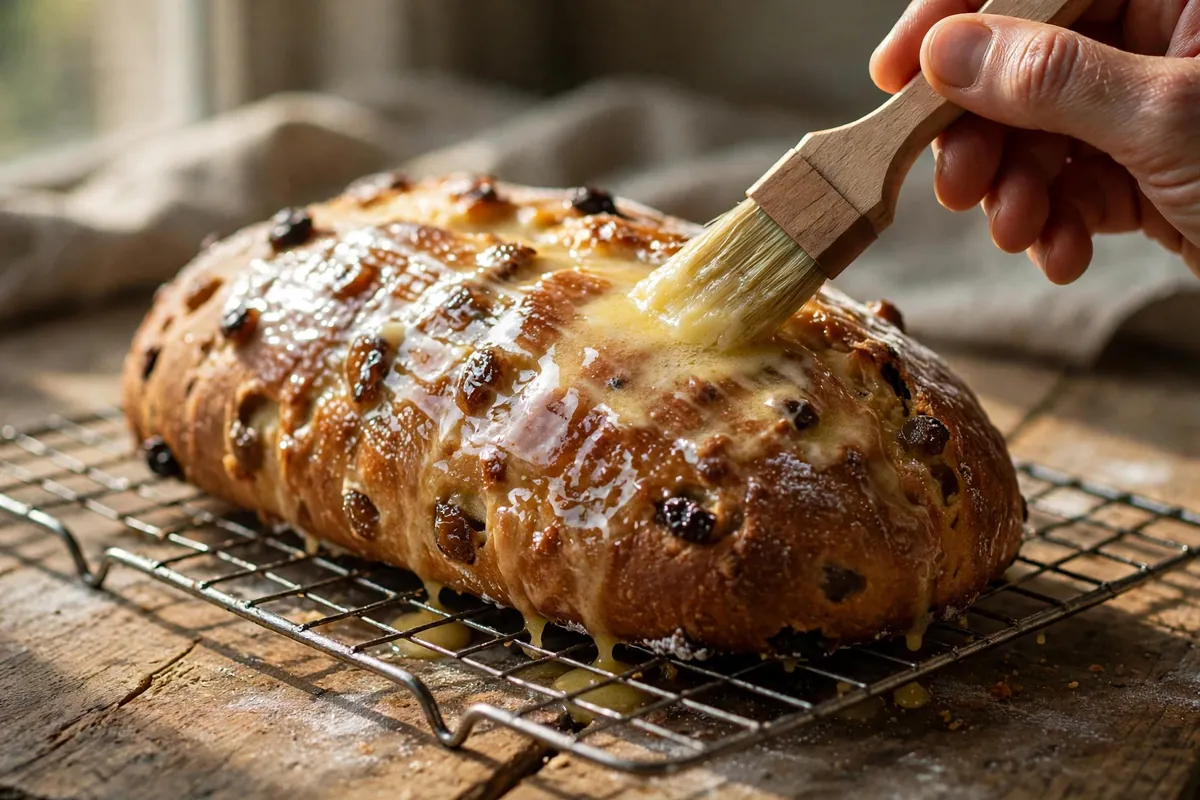
The melted-butter brush and sugar coating aren’t decoration — they’re engineering. Brushing the hot loaf with 50–60g of melted butter and rolling it in sugar creates a fat-and-sugar barrier that locks moisture in during the aging weeks. Skip it and the loaf stales in days.
How to tell: The surface is dry and matte rather than buttery; delicious on day one, stale by day three.
The fix: While the loaf is still warm, brush generously with the full 50–60g of melted butter, then roll thickly in granulated sugar (plus powdered sugar once cool). Non-negotiable for stollen that keeps.
4. It wasn’t wrapped tightly — air is stollen’s enemy
Stollen is designed to age: wrapped airtight, moisture redistributes, flavors meld, and texture improves over 1–3 weeks. Loosely covered, it just stales.
How to tell: It dried from the outside in; cut surfaces went leathery; it was stored in a bread bag or loosely in foil.
The fix: Once fully cool, wrap in two tight layers of plastic wrap pressed against the surface, then foil. Store at cool room temperature — never the fridge, which accelerates staling. Slice only what you’ll eat and rewrap immediately. See How to Store Homemade Bread So It Stays Fresh for Days for the general principles.
5. The dough was under-enriched — stollen needs its butter
Enrichment is moisture insurance: fat coats flour proteins, shortens gluten strands, and keeps the crumb tender for weeks. A stollen with too little butter has no such insurance and dries out regardless of technique.
How to tell: The crumb is bready and lean rather than rich and tender; the recipe used well under the classic 180–200g butter per 500g flour.
The fix: Don’t skimp on the butter. Use bread flour for structure (the long aging needs it) and knead well — a developed dough holds the heavy fruit load without tearing. Same enriched-dough logic as brioche that stays moist.
6. The marzipan dried out — seal it inside
The marzipan log is a moisture reservoir in the loaf’s center — but exposed at the ends, or dry and cracked going in, it contributes nothing and can wick moisture out.
How to tell: Marzipan visible at the cut ends looks dry or cracked; the center around it is the driest part.
The fix: Knead the marzipan until pliable, roll a smooth log slightly shorter than the dough, and seal the dough completely around it — pinch the ends shut. Old, stiff marzipan? Knead in a few drops of almond extract or rum first.
Can you fix dry stollen after the fact?
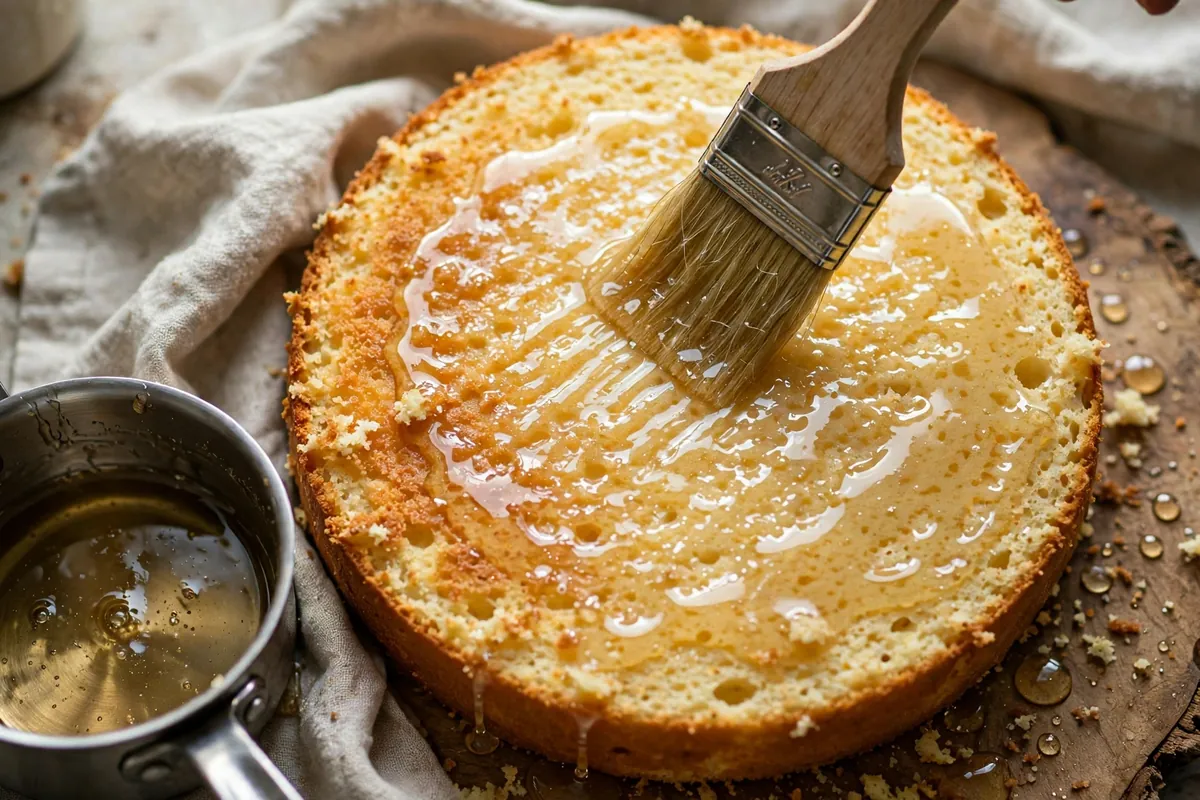
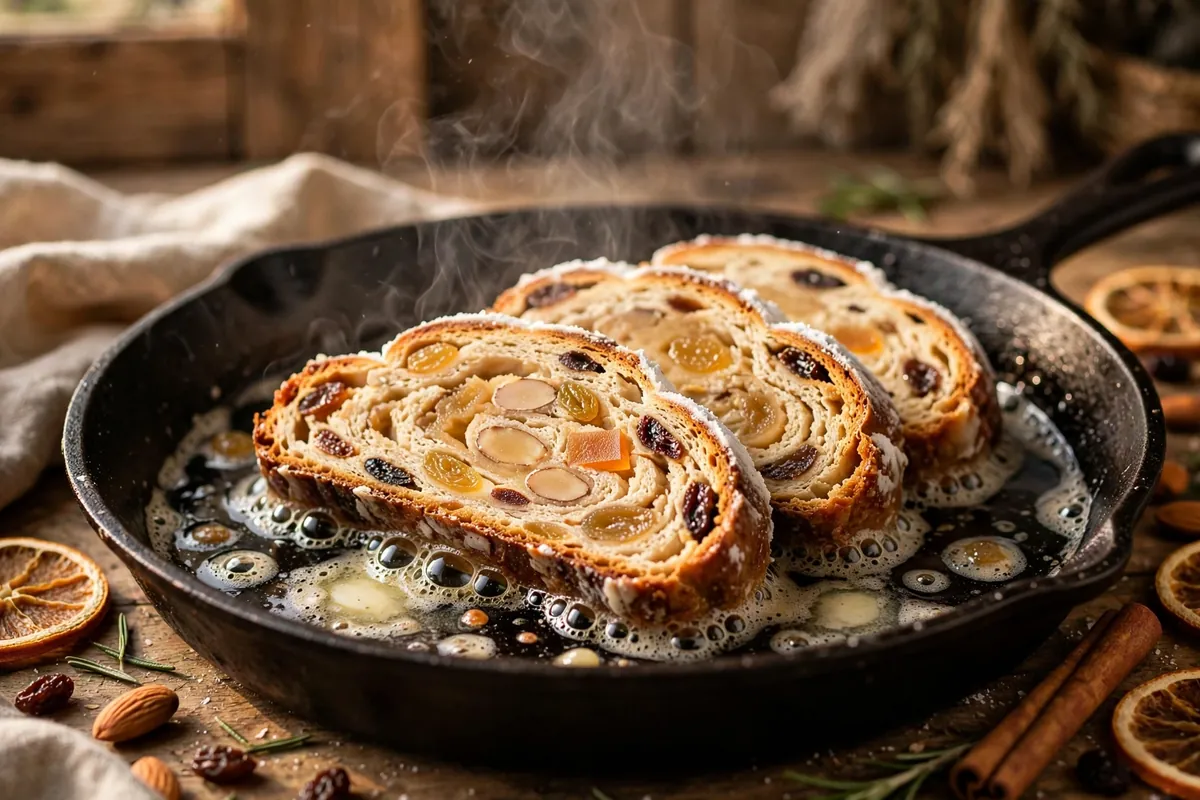
Partially. Warm the slices — 10 seconds in the microwave or a quick toast — and serve with good butter; heat plus fat masks most dryness. For a whole dry loaf, brush cut surfaces with warm rum syrup, rewrap tightly, and rest overnight. The real rescue is strategic: slice it, toast it, and make French toast or bread pudding — added custard solves dryness completely, and stollen makes an extraordinary base for both.
FAQ
Is dry stollen safe to eat?
Yes — dryness is a texture issue, not a safety one. If it was stored reasonably and shows no mold, it’s fine — and excellent toasted or repurposed into bread pudding.
How long does stollen last?
Butter-sealed and tightly wrapped: 3–4 weeks at cool room temperature, improving over the first two. Once sliced, rewrap and eat within a week.
Should stollen be refrigerated?
No. Refrigeration speeds up starch retrogradation — bread stales faster in the fridge than at room temperature. Cool room temp, airtight wrapping, done.
Can I make stollen ahead for Christmas?
That’s the traditional way — bake 2–3 weeks ahead and let it age wrapped. The flavor deepens and the crumb evens out. Just don’t slice in early “to check.”
Why did my stollen crack on top?
The dough rose faster than the heavy, fruit-laden structure could stretch, or the oven was too hot initially. Slash the top before baking to give it a controlled place to expand.
Can I freeze stollen?
Yes — plastic plus foil, up to 3 months. Thaw wrapped at room temperature overnight. Do the butter-and-sugar coating before freezing; refresh with powdered sugar after thawing.
Related troubleshooting: Why Did My Brioche Come Out Dry? Enriched Dough Fixes · Hot Cross Buns Troubleshooting: Dense, Pale, Vanishing Crosses · How to Store Homemade Bread So It Stays Fresh for Days